
Loading...
Loading...

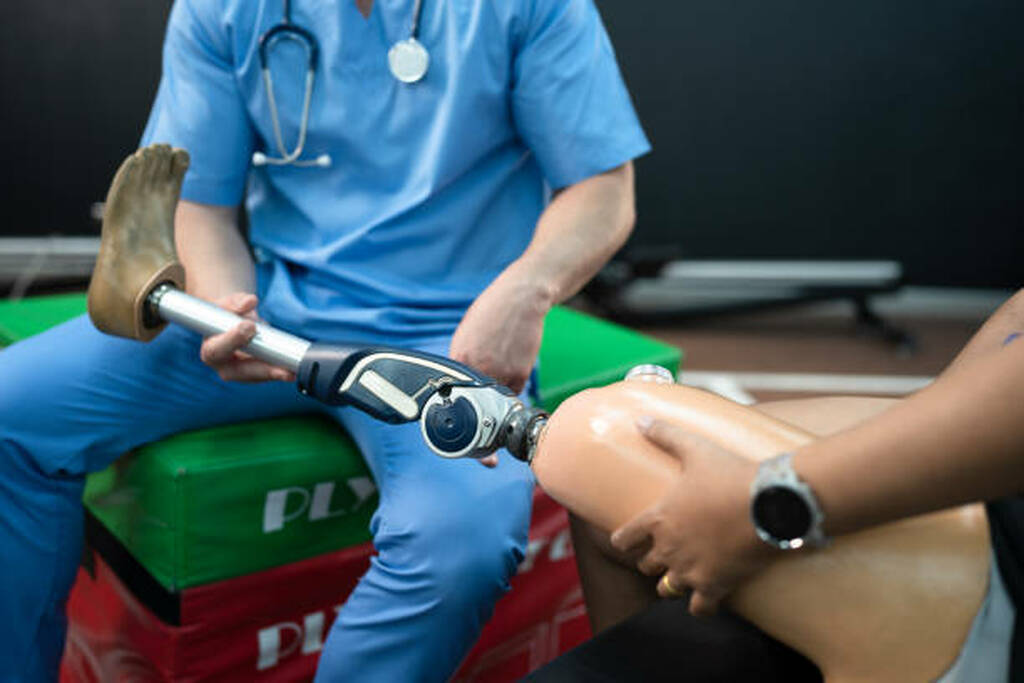
In knee replacement surgery, the arthritic part of the knee is removed and replaced with an artificial joint that forms new surfaces of the knee joint. During a robot-assisted total knee replacement, the robotic knee replacement surgeon uses a computed tomography (CT) scan to create a 3D model of the patient's knee. Best Robotic Knee Replacement Surgeon In Panvel . With that virtual model as a guide, the surgeon uses the robotic arm to precisely cut the bone and precisely insert the knee components.
Well, when we talk about robotics it should be really smart and easily operated. Being prominent among all other joint replacement surgeries, knee replacement has the privilege of attracting more attention from researchers and technologists. If we have to differentiate the currently available knee replacement robotic systems, they are briefly classified as passive, semi-active and active systems. The major factor giving rise to this differentiation is the nature of work performed by the robotic system with minimal human intervention. Passive and semi active types of systems guide the surgeon through the fixation and cutting block resection steps – the actual cutting and drilling procedures are performed by the surgeon. Active robotic joint replacement systems, considered to be the most advanced among their peers, are completely autonomous in nature and require minimal human intervention. Best Robotic Knee Replacement Surgeon In Panvel
Patient Consultation: Patients can decide upon robotic artificial joint surgery after consulting with the doctor.
CT Scan: CT Scan of Knee Joints
Pre-Surgical Planning: The Scanned CT scan Image is converting into a 3D image for diagnosing the patient’s condition and make a surgical plan as required.
Surgical Implementation: The patient is connected to the robot and stabilized for surgery. In the next stage, the doctor performs registration process to verify if the 3D image of the patient matches the original surgery site. After registration process, robot reviews the data and cuts the bone precisely with respect to size, position, angle and direction of the implant decided during pre-surgery planning stage.
Implant Placement: Insert and fix the decided implant for surgery conclusion.
Our smart nursing staff and experienced team are always ready to serve you with quality care.